


Before the building, the body
Built for the body.breath.Nature.rest.growth.joy.wonder.
A science-led design lab. Biology first, with health at the heart of everything we make. We design environments that help the nervous system regulate and restore, from a single room to habitats beyond Earth.
Film · Hands, stone, a wall built slowly · Studio Snoop
Why this matters · why now
Every room is talking to your nervous system. Almost none were designed to listen.
It decides how you sleep, heal, focus and age.
We are living through a health crisis our buildings were never designed for.
A century ago, tuberculosis and cholera changed how we built. Clean water. Daylight. Fresh air.
Today’s crisis is quieter. And it is everywhere.
- Loneliness · 871,000 deaths a year · WHO, 2025
- Overwork · 745,000 deaths from stroke and heart disease · WHO/ILO
- Burnout
- Sleep loss
- Always on
- Toxic materials
- Microplastics
- Too little movement
- Too little sunlight
- Too little Nature
We ask our buildings to do more than ever. Most are not equipped to.
We are preparing to live beyond Earth without fully knowing what our biology needs.
Technology changes every year. Biology hasn’t changed in hundreds of thousands of years. We design for the body first.
We know it’s possible.
We’ve watched a heart rate fall from 145 to 75 in a room designed for the body.
Others design how it looks. We start with biology, and measure what changed.
Start a collaboration →The lab.
Four ways in · research, breath, grown, machine
Spaces, built for health.
All spaces →
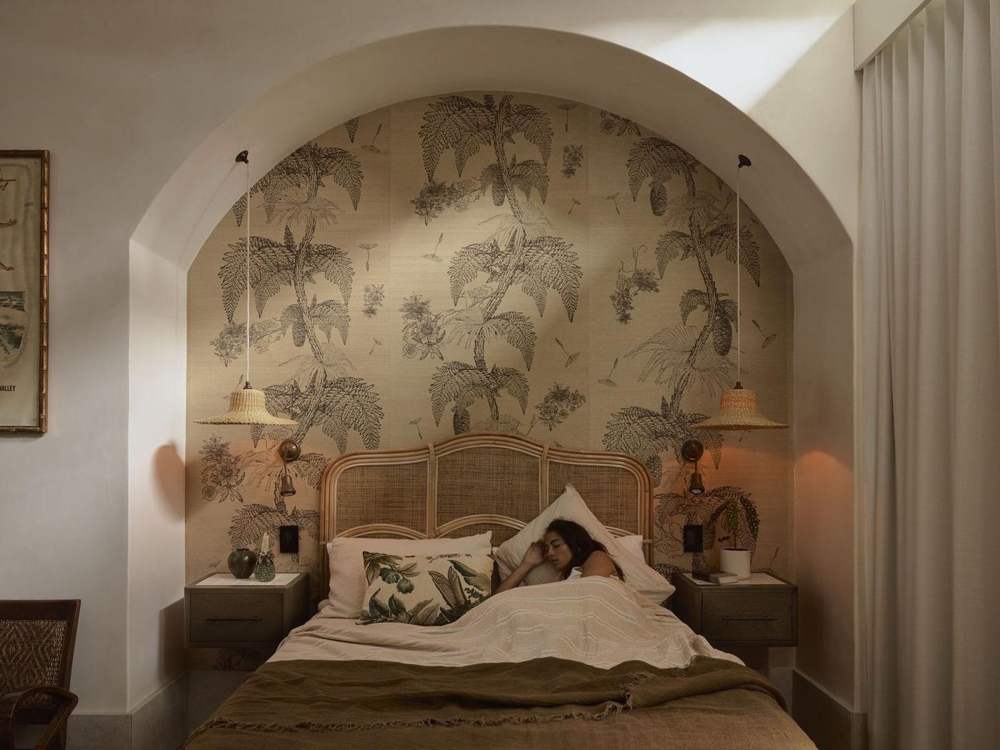
From your biology to your kettle.
Science-led · Biology first · Health at the heart
01
Biology
We read the body first: sleep, stress, breath, sensitivities.
02
Science
Every decision grounded in research and evidence.
03
Design
Architecture and interiors shaped around how you rest and recover.
04
Materials
Non-toxic, natural and grown. Nothing in the walls working against you.
05
Air · Water · Light
Clean air, the cleanest water, light that follows the day, low-EMF rooms.
06
Everything in it
Right down to the bed, the lamp and the kettle.
Natural by design. Healthy by default.
Bring us a building. We’ll bring the biology.
Scroll →
 01DevelopersNervous System Design across many homes.
 02Wellness & hospitalityPlaces people come to recover.
 03ArchitectsYour client’s body is in the brief.
 04SchoolsRooms for attention, and for coming down.
 05HomesBefore the floor plan, your household.
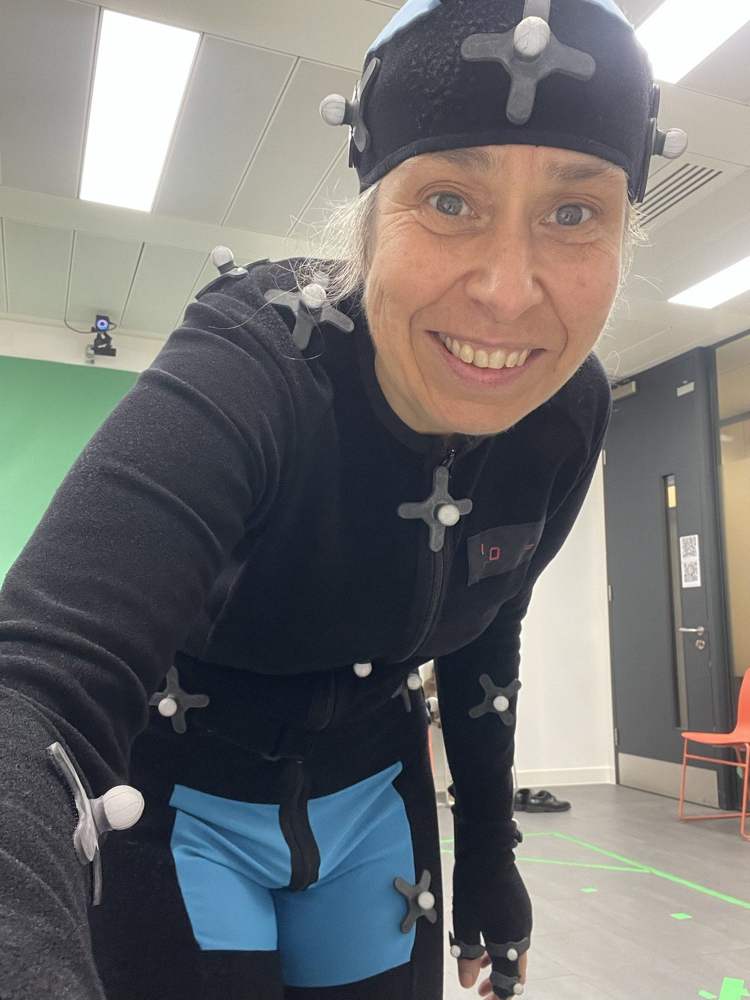 06Universities & labsOpen questions, shared.
 07Space & extreme environmentsSealed, isolated, far from Nature.
The Biological Brief
Every project begins with how its people sleep, recover and feel.
Before anyone draws a line, we spend time with each person in your home: how they sleep, rest, move and recover, and what wears them down. We turn that into clear conditions for light, sound, air, water and materials, and everyone who designs and builds your home works to them.
Do it before you build or renovate. It is the moment getting your health right costs the least.
Questions people ask us
In short.
What does Studio Snoop do?
Studio Snoop is a London design research lab, founded by Amanda Talbot, that designs buildings, interiors, objects and installations for human health. Using Nervous System Design™, we research how environments affect the nervous system, then take projects from research and brief through design, prototyping and build to completion.
What do you mean by a healthy habitat?
A place that helps the body instead of draining it. Intelligent architecture is only the start: we bring the latest in non-toxic and natural materials, clean air, the cleanest water we can bring to the home, light that follows the day and low-EMF rooms, right down to the furniture, the textiles and the kettle.
Do you keep up with the latest research?
It is our job. We follow the newest research in neuroscience, sleep, building biology, materials, air and water, carry out our own at the Royal College of Art, and turn it into decisions you can build. We do the hard work, so our clients don’t have to.
Why does recovery matter so much?
Because the world is exhausted. Millions of people are not sleeping, not restoring and running on empty, and that costs us: poorer decisions, poorer health, and less connection to each other. Our homes should be where the body recovers, and our schools, workplaces and public spaces should stop wearing us down. That is why we created the Domestic Recovery Standard, and why we believe in a healthier world.
What is the Domestic Recovery Standard?
It is our design standard for buildings that help the body recover. It turns the biology of recovery (stress, sleep, light, movement, connection and water) into eight spatial patterns, from arriving in stages to sleeping at the quiet end of the house. Each pattern names the biology behind it and how its effect can be measured, and each scales from a home to a school, a retreat and habitats beyond Earth.
Who is Amanda Talbot?
Amanda Talbot is a designer, researcher and author with two decades in hospitality, homes and wellness design. She is researching how the built environment supports nervous system regulation at the Royal College of Art, is the creator of Nervous System Design™ and of Tilly Talbot, a heart-centred AI designer, and the author of Rethink the way you live and Happy.
Do you design for neurodivergence, burnout, hormonal change, ageing and sleep?
Yes. The Biological Brief records how each person in a household sleeps, rests, moves and recovers, and turns it into the conditions a home must meet. It is especially for neurodivergent families, burnout recovery, hormonal change, healthy ageing and poor sleep.
Do you work on wellness, longevity and healthy-ageing projects?
Yes. We collaborate with retreats, spas, hotels, clinics and developers on spaces designed around the body's capacity to recover, so they support long-term health rather than short-term comfort.
Who do you collaborate with?
Architects and design teams, developers, wellness and hospitality operators, schools, homeowners, and research partners working on extreme and off-world environments, where people live sealed in and far from Nature.
Where are you based, and how do we start?
We are based in London and work internationally. Every collaboration begins with an introductory call, booked online through our calendar or by email to hello@studiosnoop.com.
Do you work with universities, research labs and artists?
Yes. We collaborate with universities, research groups, space and extreme-environment teams, museums and artists on open questions about how environments act on the nervous system: physiology, breath, light, grown materials and AI. We bring live prototypes, field evidence and the ability to build what we find.